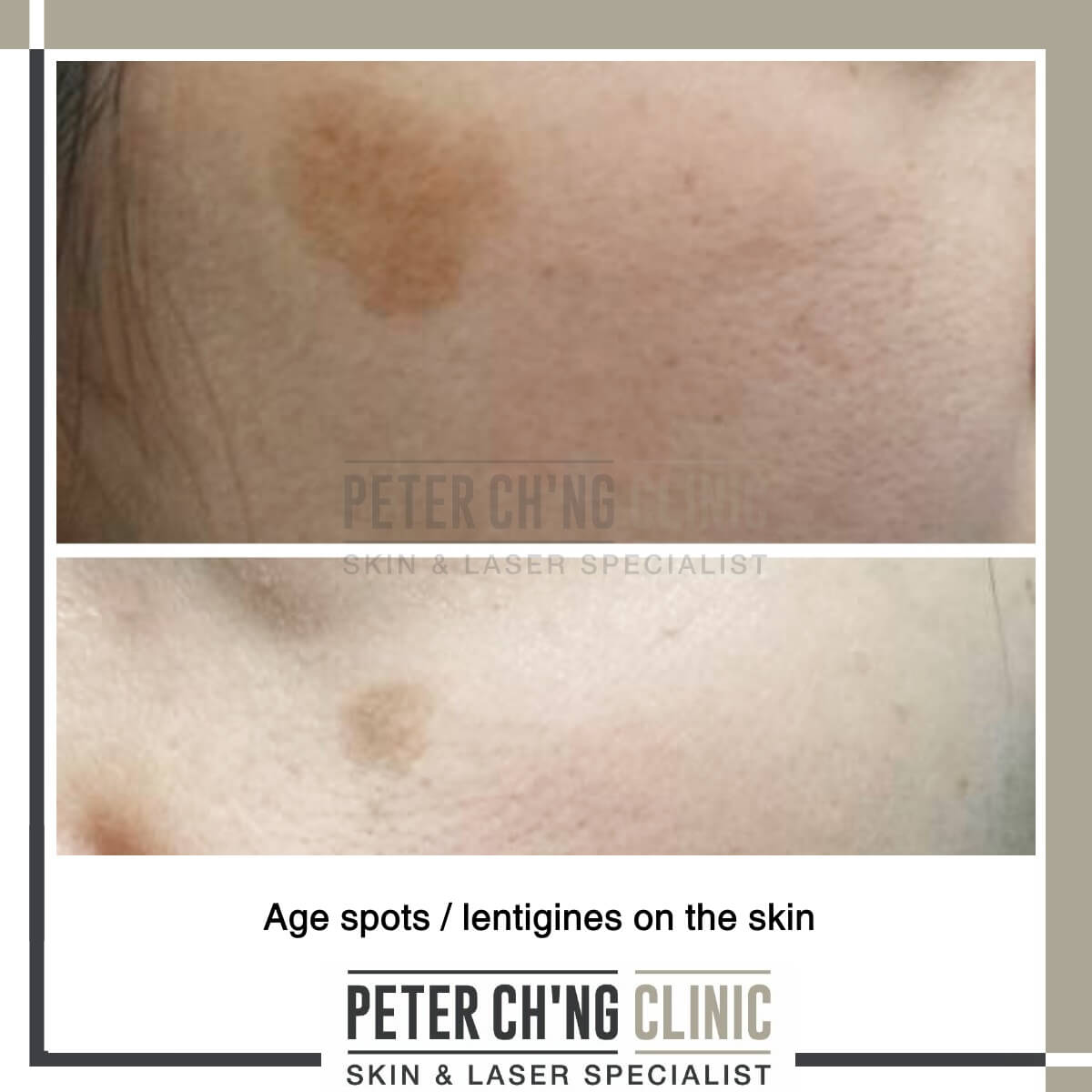
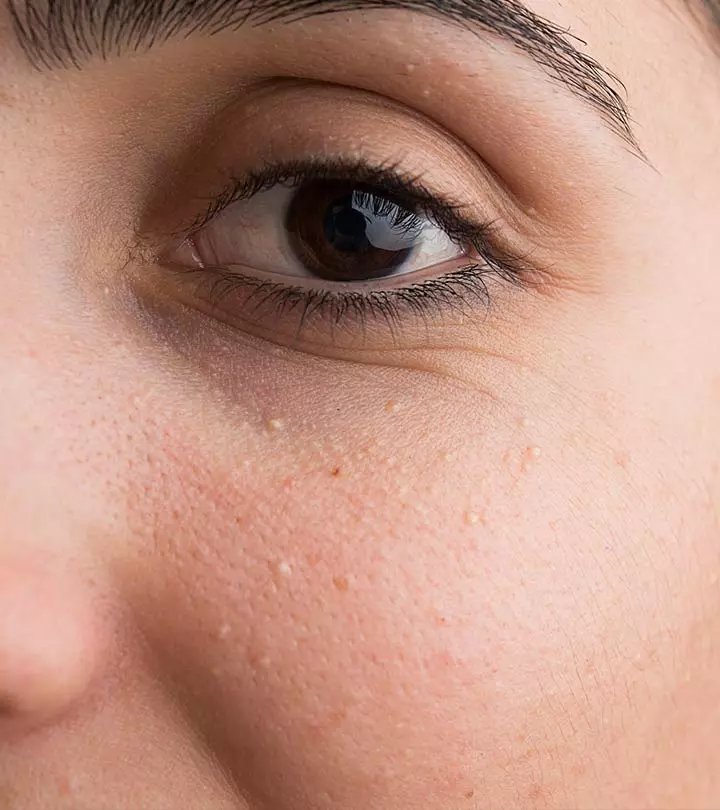
Seborrheic Keratoses Dermatology While the specific reason stays unidentified, scientists have actually uncovered some essential findings. SKs appear to run in family members, and it appears that some people acquire a tendency to establish several SKs. Although these growths develop on both sun-exposed and non sun-exposed skin, some studies suggest that sunlight exposure might play a role. And while SKs may seem to multiply and infect other areas, they are not infectious.
The procedure begins with numbing the area to lessen any kind of potential discomfort or discomfort.
It may be tough to inform whether the development is a keratosis, a mole, a mole, or skin cancer.
To explore your choices for skincare, schedule an appointment.
SKs can develop anywhere on the skin, other than the hands of the hands and the soles of the feet. Many SKs appear on the upper body, back, scalp, face and neck. You can look by place, condition, and procedure to discover the dermatologist that's right for you.
Therapies For Seborrheic Keratosis
They are not brought on by sun damage, so they can be found on locations typically covered by garments. Aesthetically, seborrheic keratosis appears like blemishes with a waxy texture. They range in shade from white to black, however most are tan or brownish or just a couple of tones darker than the individual's complexion. Individuals are probably to discover developments first appearing in their midlifes or later. Seborrheic keratosis starts out as little bumps with a harsh texture and progressively enlarges to as large as half a buck. Seborrheic keratoses are noncancerous (benign) skin growths that some people develop as Fat Freezing Technology they age.
Just how to prevent seborrheic keratosis from creating?
There is no well-known method to avoid seborrheic keratoses, as they have a tendency to boost with age and might be genetic. Regular skin checks can help keep track of any kind of new growths.
What Are Seborrheic Keratoses?
As soon as a seborrheic keratosis sore has been identified and gotten rid of by a skin specialist in an outpatient setup, many individuals will not require recurring treatment. The removal procedure typically involves simple treatments such as cryosurgery (cold), electrocautery (burning), or curettage (scraping). These techniques properly get rid of the lesions without leaving any type of significant scars. In cases where there is uncertainty concerning the diagnosis or if other skin conditions with comparable appearances such as sores require to be dismissed, a biopsy might be done. A biopsy includes taking a small sample of tissue from the afflicted location for additional assessment under a microscope. This procedure permits the pathologist to evaluate the cells and validate whether they are consistent with seborrheic keratosis. Most SKs start as tiny, rough bumps on the skin, though some can be smooth and level. These bumps have a tendency to grow gradually and thicken progressively. You can arrange an appointment to get your seborrheic keratoses taken a look at by a Board-Certified Dermatologist or Skin Treatment Service Provider in our Boise location. Do not try to eliminate a seborrheic keratosis on your own.
Your Best Defense Vs One More Cancer Malignancy
These growths can also look a bit various from seborrheic keratosis, as they can show up red, pink, grey, yellow, or white. They may likewise really feel tender to the touch or cause burning, stinging, or itching sensations. And, in some cases, an actinic keratosis can bleed, an indication shown one of the most severe form of skin cancer cells, cancer malignancy. Although seborrheic keratoses are typically benign, they can sometimes be misinterpreted for more serious conditions like malignant growths such as melanoma. It is essential to have any kind of suspicious sores reviewed by one our St. Louis dermatology group to eliminate malignancy. Seborrheic keratosis is an usual non-cancerous skin growth usually older individuals. It is additionally referred to as seborrheic verruca, senescent growth, or basic cell papilloma, although it is not related to moles or basal cell cancer. Seborrheic keratoses usually create on the face, upper body, shoulders, or back, yet they can take Adipose Tissue Reduction place on various other parts of the body too. These growths are typically brown, black, or tan and have a waxy or scaly texture. Seborrheic keratoses are typically safe and do not require treatment unless they end up being troublesome or cosmetically unwanted. In such cases, they can be gotten rid of through numerous techniques, including freezing (cryotherapy), scraping (curettage), or burning (electrocautery). The seborrheic keratosis, which is ubiquitous throughout all populaces, is a benign lump of the skin. Seborrheic keratosis are amongst the leading 20 dermatologic conditions treated by dermatologists.